
By Ted James, MD, MS
Most people are very familiar with the term, ‘post-traumatic stress disorder.’ But how many are aware of post-traumatic ‘growth’?
The American Psychological Association defines post-traumatic stress disorder, or PTSD, as “an anxiety problem that develops in some people after extremely traumatic events, such as combat, crime, an accident or natural disaster. People with PTSD may relive the event via intrusive memories, flashbacks and nightmares; avoid anything that reminds them of the trauma; and have anxious feelings they didn’t have before that are so intense their lives are disrupted.” Although PTSD is most often associated with traumatic events such as war, bodily attacks, natural disasters, and serious accidents, it can also affect people with a history of cancer. For example, a recent study found that nearly 1 in 4 women diagnosed with breast cancer experienced some form of PTSD(1). It is normal for a cancer survivor to have feelings of worry and anxiety. However, if these feelings fail to diminish over time, grow in intensity, or begin to affect daily life, this could be a sign of PTSD.
PTSD is a serious condition that can lead to depression, substance abuse, eating disorders, loss of relationships, and an inability to function. Fortunately, PTSD is treatable. Treatment can include various types of therapy, medication, and support groups. It is important to seek professional help if you feel you may have PTSD. Talk with your doctor or another member of your health care team for help and recommendations.
Some of the known risk factors for PTSD include having high levels of overall stress and using avoidance strategies to cope with stress, such as drugs or alcohol. Reducing stress and managing anxiety through mindfulness and other related techniques may help people avoid these risk factors. Research also indicates that cancer survivors are less likely to develop PTSD if they receive strong support from family and friends, are given correct information about the stage of their cancer, and have good relationships with members of their health care team(2). Regular visitors to our website will find numerous resources to help promote the practice of stress reduction, self-care, and strengthening personal relationships.
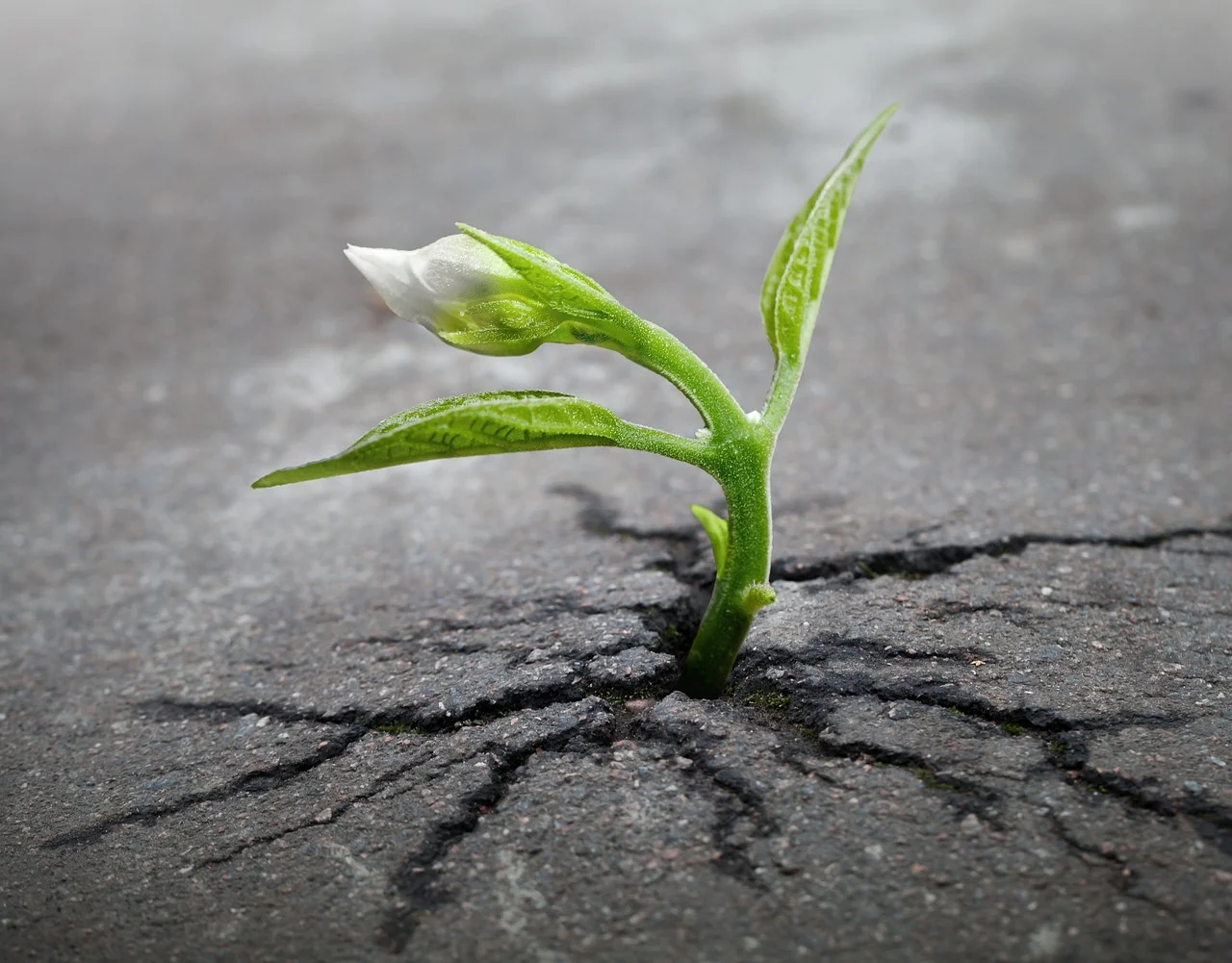
Now, consider this fascinating fact: distress and disorder are not the only responses to a significant life trauma. There is some indication that ‘post-traumatic growth’ may be an even more common reaction to these challenging life experiences. Post-traumatic growth may go by other names, including adversarial growth, stress-related growth, altruism born of suffering, and benefit finding. Researchers have studied the remarkable phenomenon of positive transformation following a major life adversity such as a terminal illness or the loss of a loved one. Through the process, people develop qualities of diligence, resilience, generosity, love, perspective, purpose, and humility. The results include improved relationships, spiritual change, and an enhanced outlook on life.
In his book, ‘Flourish: A Visionary New Understanding of Happiness and Well-being,’ internationally recognized psychologist Martin Seligman describes his many years of research and experience with emotional resilience and positive psychology. He states that people who suffer often develop resilience and growth following the event, rather than experiencing prolonged depression or despair. Dr. Seligman states, “people emerge from these challenging events stronger than they were before.” After going through a very difficult experience, they see new doors open to them. When these doors open, simply knowing that growth and strength is a common response can help us walk through them – rather than being paralyzed by fear, depression, and anxiety. According to his research, the majority of people are resilient – an important fact to keep in mind when dealing with the effects of cancer. “It’s important to know that the normal response is not going under, it is resilience and often growth.”
Of course, we must recognize that there are still people who legitimately experience PTSD after negative experiences, to no fault of their own, and they require appropriate medical treatment and support. It is also important to recognize that just because some individuals have experienced growth through adversity, this doesn’t mean that they have not also suffered. The pain is real, and the road to growth often involves a great deal of emotional sorrow. The awareness of post-traumatic growth as a possible outcome of experiencing trauma does not imply in any way that suffering or traumatic events are good. They are most certainly not good. Cancer is traumatic and by all means should be avoided; however, we do not always have a choice. Unfortunately, such crises are an inevitable part of life, but tragedy doesn’t have to be the end of the story…it can be the beginning. Accepting hardship and rising through resilience can be a pathway to peace. Although we are not given a choice to avoid painful experiences, perhaps we may be able to weather the storm with growth and transformation that can have a positive impact on our lives.
“…suffering produces endurance, and endurance produces character, and character produces hope”
Action Item
To the extent that you can, create a narrative of your challenging experience, in which new principles and an expanded way of viewing the world arise. Think about what story you are telling yourself and the world about your cancer. Is there anything you could do to change the story or give it a positive spin? Write down your new life narrative (it can be as little as one page). Refer to this often and find ways to live it out to the fullest.
References
1. How traumatic is breast cancer? Post-traumatic stress symptoms (PTSS) and risk factors for severe PTSS at 3 and 15 months after surgery in a nationwide cohort of Danish women treated for primary breast cancer. M O'Connor, S Christensen, A B Jensen, S Møller, R Zachariae. Br J Cancer. 2011 Feb 1; 104(3): 419–426.
2. Post-Traumatic Stress Disorder and Cancer. At Cancer.Net: http://www.cancer.net/survivorship/life-after-cancer/post-traumatic-stress-disorder-and-cancer
3. Flourish: A Visionary New Understanding of Happiness and Well-being. Martin E. P. Seligman. Atria Books/Simon & Schuster, 2012